 Available in US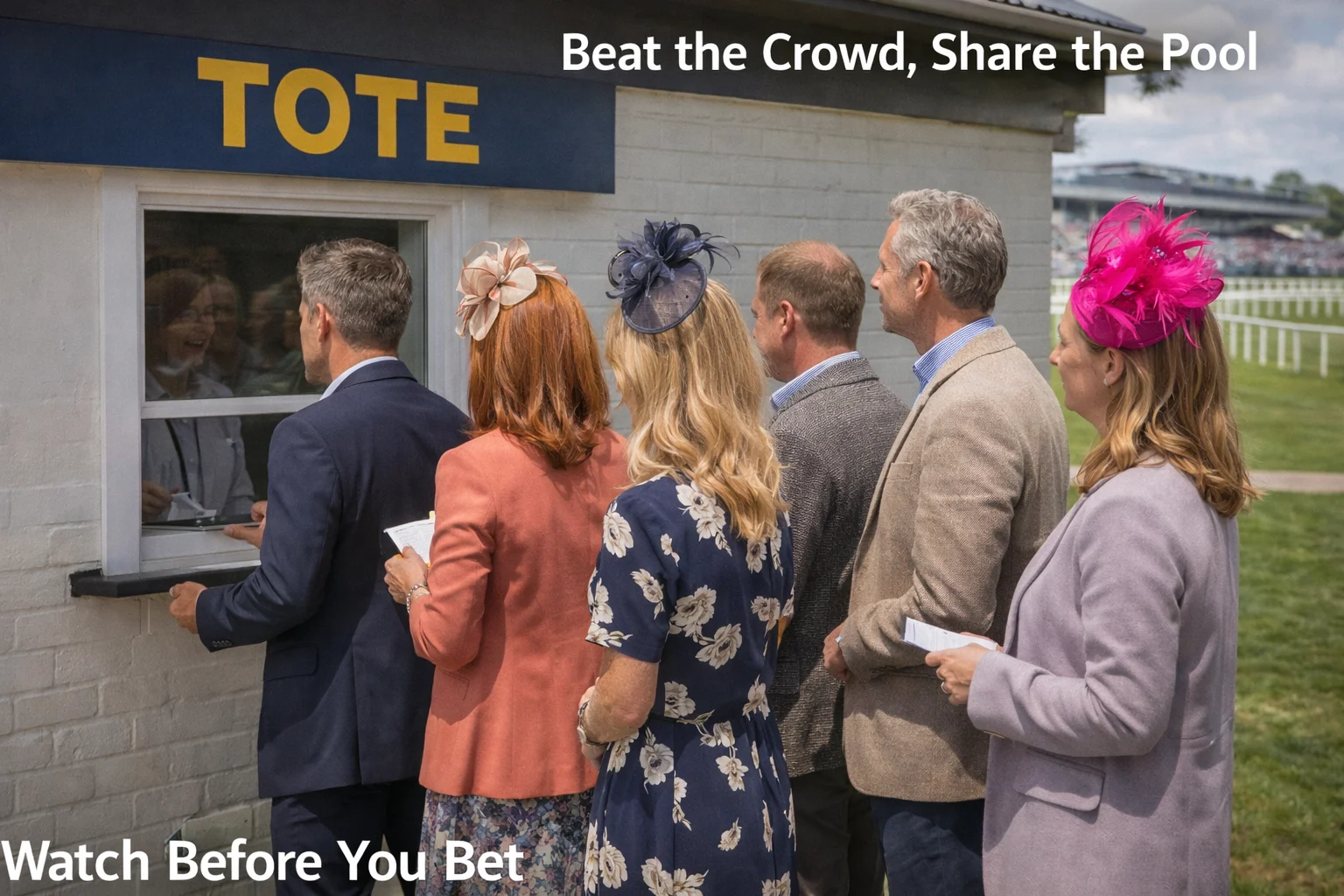
Tote betting operates on a fundamentally different principle from fixed-odds wagering. When you place a fixed-odds bet, the bookmaker agrees to pay specific returns if you win. When you bet into a Tote pool, your stake joins all other stakes on that bet type, and winners share the total pool minus operator deductions. Your payout depends on how many others picked the same outcome, not on pre-agreed odds.
This pool betting system, called pari-mutuel internationally, creates opportunities that fixed odds cannot. When favourites win, Tote dividends sometimes disappoint. When longshots land, especially in combination bets, dividends can dwarf anything fixed-odds bookmakers would offer. The uncertainty cuts both ways, which is precisely what makes Tote betting engaging for those who understand it.
The UK Tote offers several bet types, each with different structures and appeal. Knowing the differences lets you choose based on your goals: steady returns, jackpot chasing, or something between. “Beat the crowd, share the pool” is the mindset, and crowds behave predictably enough that smart pool bettors can find value.
Understanding UK Tote Bet Types: Placepot and Jackpot
The Placepot is the Tote’s most popular bet. You must pick a horse to place in each of the first six races at a meeting. Place terms follow standard rules: first two in races of five to seven runners, first three in races of eight or more runners, first four in handicaps of sixteen or more runners. All six selections must place for you to win. If the pool carries over from a previous meeting with no winners, dividends can swell significantly.
The Quadpot works similarly but covers races three through six rather than one through six. Fewer races means easier hitting but smaller pools and dividends. Some punters use Quadpots when they missed the first two races but still want pool action on the remaining card.
The Jackpot requires picking winners, not places, in the first six races. This is substantially harder than the Placepot. Favourites must oblige more consistently, and a single upset eliminates your ticket. Jackpot dividends can reach enormous sums precisely because so few tickets succeed. The difficulty makes it a lottery-style bet rather than a considered wager for most punters.
Scoop6 operates on selected Saturday fixtures, requiring winners in six nominated races across multiple meetings. The structure includes both a win fund and a bonus fund, with the bonus rolling over when not won. Scoop6 prizes regularly reach hundreds of thousands of pounds during busy periods. Optimove Insights recorded 68.8 million bets placed during Cheltenham Festival 2025, and Saturdays during festival weeks see exceptional Scoop6 interest.
Tote Win and Tote Place are straightforward pool equivalents of fixed-odds win and place bets. You pick a horse, bet into the pool, and collect a share of the pool if successful. These bets are simpler than Placepots but carry pool dividend uncertainty. Comparing the likely Tote dividend with available fixed odds determines which offers better value in each race.
Exacta and Trifecta require predicting exact finishing orders. Exacta covers first and second, Trifecta covers first, second, and third. Combination versions let you cover multiple permutations at increased cost. These bets share DNA with fixed-odds forecasts and tricasts but pay dividends calculated from pool totals rather than computer-generated prices.
How Tote Dividends Are Calculated
Every stake on a bet type enters a pool. When results are known, the Tote subtracts its operator deduction, typically between 15% and 30% depending on bet type, then divides the remaining pool among winning tickets. Your share depends on how much you staked relative to other winners.
If you stake £2 on a Placepot and five other people also hold winning £2 tickets, you split the net pool six ways. If you alone succeed, you take the entire net pool. This explains why longshot combinations pay spectacularly: few others backed them, so survivors share more.
Favourite-heavy outcomes produce disappointing dividends. When obvious horses fill the places, many tickets survive, and the pool spreads thin. A Placepot paying £15 to a £1 stake suggests the results were predictable and widely backed. Dividends of £1,000 or more indicate that something unusual happened, eliminating most of the field.
Pool size affects dividend stability. Large pools, like those during Cheltenham or the Grand National, smooth out variance. Small pools at minor meetings swing wildly based on a few large stakes. A single punter placing a substantial Placepot on a quiet Monday can skew dividends dramatically if they lose. Bigger meetings generally provide fairer pricing.
Carryovers occur when no one wins a Jackpot or rollover-eligible bet. The unclaimed pool adds to the next equivalent bet, inflating the prize. Carryover announcements attract extra stakes, which offsets some of the value, but genuine carryovers still enhance expected returns. Tracking carryover situations helps identify when specific bets offer above-average value.
Dividends are declared per unit stake, usually £1 or £2 depending on bet type. Your return scales linearly with stake size. A £500 dividend on a £2 stake becomes a £250 dividend on a £1 stake. Staking multiples of the unit stake keeps calculation straightforward.
When Pool Betting Offers Value
Pool betting favours contrarians. If you consistently identify placed or winning horses that the crowd underestimates, Tote dividends will outperform fixed odds. The crowd tends to overback favourites and horses with recent wins. Horses dropping in class, returning from layoffs with quiet support, or trained by unfashionable yards often receive less public money than their chances warrant.
Permutation betting manages risk in Placepots and Jackpots. Rather than selecting one horse per race, you can choose two or three, covering multiple combinations. A Placepot with two picks per race generates 64 combinations; three picks per race generates 729 combinations. The cost multiplies, but so does the chance of success. Finding balance between coverage and cost determines strategy.
Banker selections anchor permutation bets. If you are confident that one horse will place in a specific race, using it as a lone selection in that race reduces combinations. Building Placepots around two or three strong bankers with wider coverage elsewhere keeps costs manageable while maintaining meaningful stakes.
Timing affects pool composition. Early Placepot entries may catch better prices before public money pours onto obvious horses. Late entries let you assess the likely dividend based on pool development, though estimating dividends before results requires experience and imperfect information. Neither approach is universally superior; both have adherents.
Comparing Tote and fixed odds race by race helps decide where to allocate stakes. For any single horse, checking both options identifies which pays more. Tote Win sometimes beats fixed odds on outsiders, while fixed odds typically beat Tote on favourites. Making this comparison habitual improves overall returns.
Where to Place Tote Bets
The UK Tote operates its own website and app, providing direct access to all pool products. Betting directly with the Tote ensures your stakes enter official pools without intermediary deductions. Account opening is straightforward, and the interface focuses on pool betting rather than fixed odds.
Major bookmakers offer Tote betting through their platforms. Bet365, Paddy Power, William Hill, and others integrate Tote pools alongside fixed-odds markets. This convenience lets you manage all betting through one account. Some bookmakers guarantee minimum dividends, paying fixed-odds prices if they exceed the Tote dividend, which removes downside risk.
On-course Tote facilities remain available at racecourses. Physical Tote windows and terminals accept cash and card stakes. For those attending meetings, betting on-course adds to the experience, though mobile betting achieves the same practical result from anywhere on the track.
Choosing where to bet depends on convenience and specific features. Direct Tote betting offers purity. Bookmaker Tote integration offers convenience and occasional guarantees. Neither is objectively superior, and many punters use both depending on circumstances. The pools themselves are identical regardless of entry point, so dividends do not change based on where you placed the bet.
