
 Available in US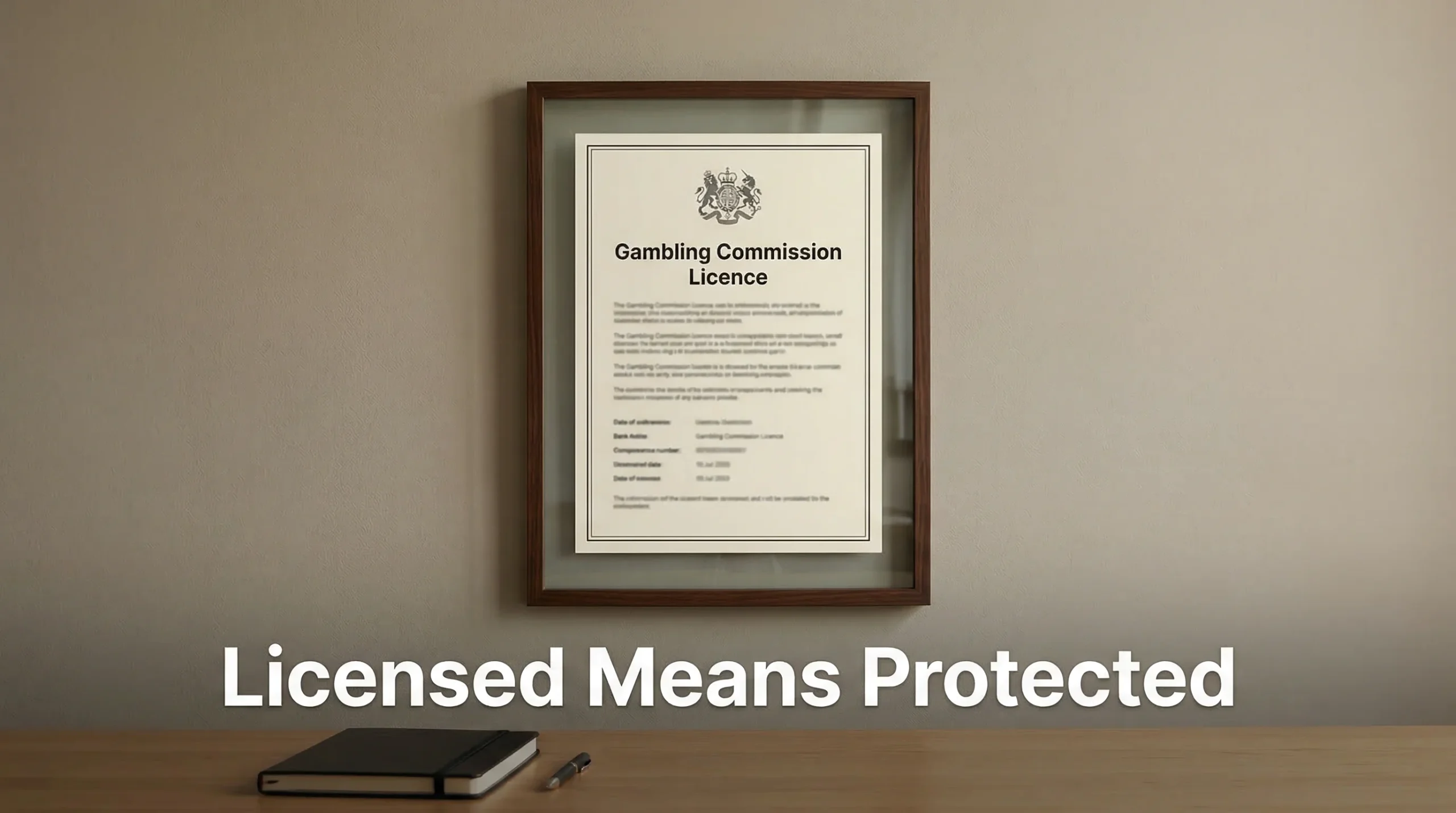
Every bookmaker operating legally in the UK holds a licence from the UK Gambling Commission. This licence is not merely bureaucratic paperwork; it represents a commitment to standards that protect customers. Unlicensed offshore operators, by contrast, answer to no UK authority and offer no guaranteed protections when things go wrong.
The temptation to use offshore sites often stems from better odds, fewer restrictions, or acceptance of customers that licensed operators have excluded. These apparent advantages come with risks that many punters underestimate until problems emerge. Licensed means protected in ways that matter when you need them most.
The Office for Health Improvement and Disparities estimates that 1.76 million people in England experience some level of gambling-related harm. Licensed operators must implement harm prevention measures; unlicensed sites have no such obligations. Choosing where to bet is not just a commercial decision but a choice about the regulatory framework that governs your gambling.
What UKGC Licensing Provides
The UK Gambling Commission enforces conditions that every licensed operator must meet. These include segregation of customer funds, ensuring that your money remains available for withdrawal regardless of the operator’s financial difficulties. If a licensed bookmaker becomes insolvent, your balance is protected rather than becoming an unsecured creditor claim.
Dispute resolution through licensed operators follows established procedures. If you believe a bet was settled incorrectly or your account was unfairly restricted, you have recourse through the operator’s complaints process and, if necessary, through independent Alternative Dispute Resolution providers. The UKGC monitors operator compliance with these requirements.
Fair terms and transparent conditions are regulatory requirements. Promotional offers must be explained clearly, odds must reflect genuine markets, and account restrictions must follow published policies. While disagreements still occur, the framework provides standards that unlicensed operators need not meet.
Responsible gambling tools are mandatory for licensed operators. Deposit limits, loss limits, self-exclusion, and reality checks must be available. These tools help customers control their gambling, and operators face penalties for failing to implement them effectively. GamStop self-exclusion only works with licensed sites.
Data protection under UK law applies to licensed operators. Your personal and financial information receives legal protection, with clear rules about storage, use, and sharing. Unlicensed offshore operators may operate under minimal data protection regimes or no effective regulation at all.
Payment processing through licensed operators uses regulated financial channels. Deposits and withdrawals follow banking standards with consumer protections. Unlicensed sites may use informal payment methods that offer no recourse if transactions fail or funds disappear.
Risks of Unlicensed Betting
Winning disputes become nearly unwinnable without regulatory backing. If an unlicensed operator refuses to pay a legitimate win, your options are extremely limited. No UK authority can compel payment, and pursuing international legal action against a company in a lax jurisdiction costs more than most winnings are worth.
Account closures happen without explanation or recourse. Unlicensed operators can simply close winning accounts, retain balances, and ignore complaints. Stories of this behaviour circulate in betting forums, but victims have no effective remedy. The absence of regulatory oversight means operators face no consequences for arbitrary treatment.
Personal data faces unknown handling. Unlicensed sites may sell customer information, suffer security breaches without notification, or use data in ways that would violate UK law. The privacy risks extend beyond gambling to potential identity theft or financial fraud.
Payment problems include delayed withdrawals, changed payment terms, and outright theft. Some unlicensed operators process deposits instantly but take weeks or months to pay withdrawals, hoping customers will gamble away winnings rather than wait. Others simply stop processing payments entirely when convenient.
No responsible gambling protections exist as requirements. Problem gamblers seeking to control their betting find no mandatory tools at unlicensed sites. Self-exclusion requests can be ignored, deposit limits need not exist, and operators have no obligation to identify or assist struggling customers.
Betting integrity concerns arise when unregulated operators face no scrutiny of their market-making. Whether odds are manipulated, bets are cancelled selectively, or results are determined fairly becomes a matter of trust in organisations that have avoided regulatory scrutiny by design.
How to Verify a Bookmaker’s Licence
The UK Gambling Commission public register lists every licensed operator. Searching by company name confirms whether a bookmaker holds a valid licence and what activities it covers. The register also shows any regulatory actions taken against operators, providing transparency about compliance history.
Licensed operators display UKGC licence numbers on their websites, typically in footer sections or terms and conditions pages. Legitimate display is not enough; cross-reference against the public register to confirm the number is genuine and currently valid. Some fraudulent sites display fake or expired licence numbers.
Payment methods offer indirect verification. Licensed UK operators use regulated payment processors, established card services, and mainstream banking connections. Unusual payment methods, cryptocurrency-only options, or requests to transfer to personal accounts suggest unlicensed operations.
Website quality is not a reliable indicator. Professional-looking sites can be operated by anyone, and poor design does not necessarily indicate illegitimacy. Some licensed operators have dated websites, while some scam operations invest in polished presentation. Licence verification matters more than appearance.
Industry body membership provides additional confirmation. Members of the Betting and Gaming Council, for example, are necessarily licensed operators subject to additional voluntary standards. These memberships indicate mainstream industry participation rather than fringe operation.
When in doubt, do not bet. If you cannot confirm licensing or feel uncertain about an operator’s legitimacy, use a different bookmaker. Plenty of licensed options exist, and no betting opportunity justifies the risks of unlicensed gambling.
The Black Market Problem
Unlicensed gambling is not a victimless alternative. The black market diverts money from legitimate operators who fund racing through the Levy, pay taxes that support public services, and invest in responsible gambling measures. Every pound bet offshore is a pound lost to this ecosystem.
Industry data suggests that approximately 5% of Grand National betting, roughly £10 million, goes to unlicensed operators. As Grainne Hurst, CEO of the Betting and Gaming Council, noted in UK Bookmakers, the Grand National, one of the nation’s cherished sporting spectacles, is being subverted by illegal operators offering illicit gambling to thousands of punters.
The punters most harmed by unlicensed gambling are often the most vulnerable. Problem gamblers who have self-excluded from licensed sites may turn to unlicensed alternatives that have no obligation to respect exclusion requests. The black market actively undermines harm prevention efforts.
Enforcement challenges persist because unlicensed operators often operate from jurisdictions beyond UK reach. The Gambling Commission blocks payment processing and advertising where possible, but determined operators find ways around restrictions. Customer awareness remains the most effective protection.
Choosing licensed operators is both self-interested and socially responsible. You protect yourself through regulatory safeguards while supporting an industry that funds racing, pays taxes, and invests in gambling harm prevention. The minor price differences that attract some to unlicensed sites are not worth the risks involved.
Licensed means protected summarises the argument. When betting goes smoothly, operator licensing seems irrelevant. When problems arise, the distinction between regulated and unregulated gambling becomes starkly apparent. Making the right choice before problems occur prevents them from becoming catastrophic.
The decision of where to bet reflects values as much as convenience. Supporting licensed operators maintains the ecosystem that makes British racing and betting sustainable. The regulatory framework exists because it works, protecting punters while enabling an industry that provides entertainment to millions. Choosing licensed bookmakers is the sensible choice for anyone who values both their own interests and the broader health of the sport they enjoy.
